A Homeowner's Guide to Safe and Healthy Trees in Lower Burrell, PA
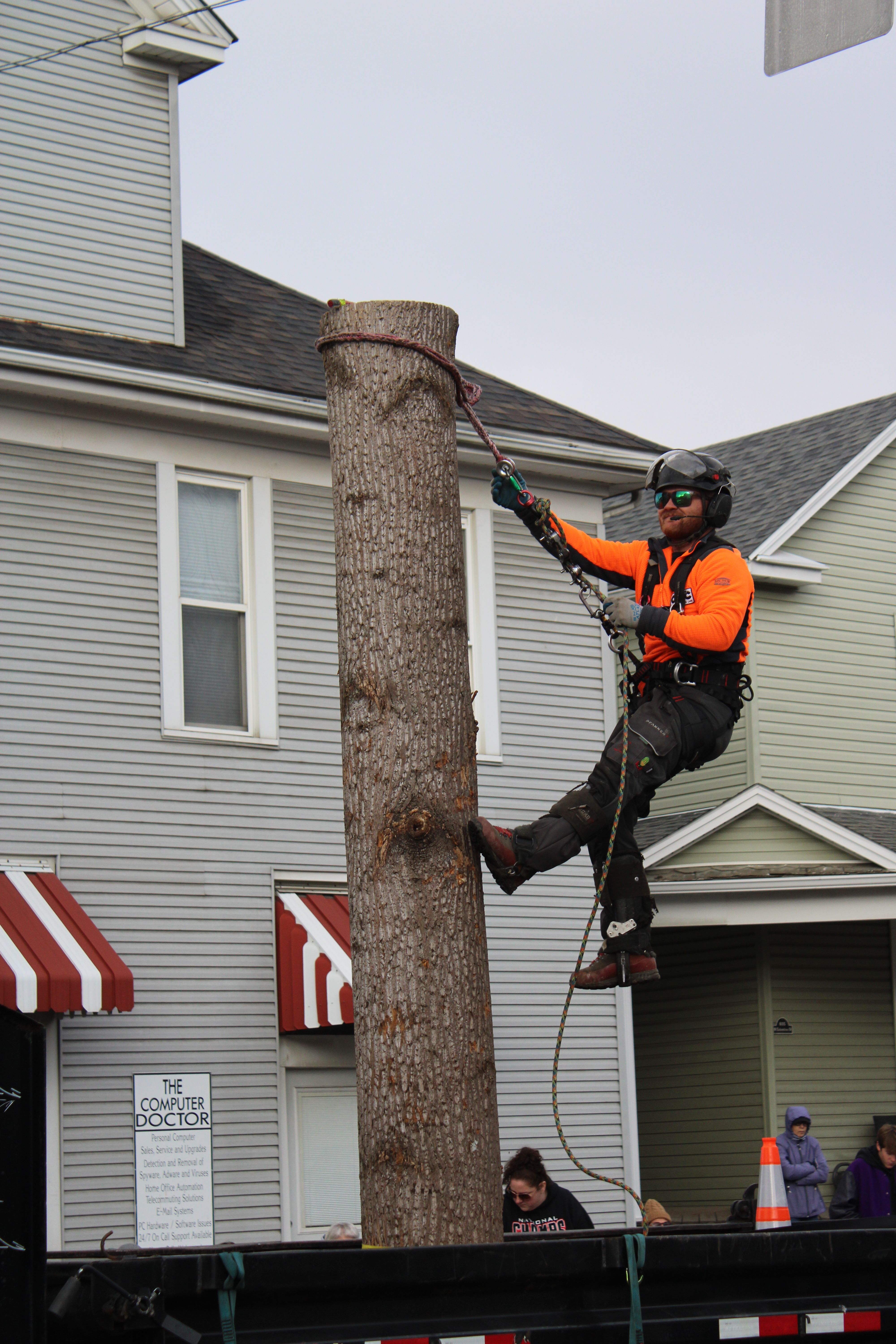
Trees add shade, beauty, and value to your yard. They also bring risk when they grow weak or sick. If you own a home in Lower Burrell, PA, you know how much the weather can change in one season. Heavy snow, strong wind, and wet springs put stress on every tree you own. Good tree care in Lower Burrell, PA starts with simple habits that you can repeat each year. This guide shows you what to watch for and what to do in each season. Read it once, and you will know how to protect your yard, your house, and your family.
Know the Trees in Your Yard
Lower Burrell sits in Westmoreland County, and many yards here hold oak, maple, pine, and ash. Each type has its own needs. Oaks handle dry spells well but dislike soggy roots. Maples give great shade, yet their branches can split in a storm. Pines hold snow on their limbs, and that weight can snap them. Ash trees face a serious threat from the emerald ash borer, which has hit western Pennsylvania hard.
Walk your yard once each season. Check the trunk, the branches, and the base of every tree. Learn the name of each one, because the name tells you which problems to expect. A local garden center can help you if you are not sure. When you know your trees, you can spot trouble early and fix it before it grows.
Warning Signs You Should Never Ignore
A healthy tree looks full and strong. A tree in trouble sends clear signals. Use this checklist when you walk your yard:
- Dead branches: Limbs with no leaves in summer are dead. They can fall without warning.
- Cracks in the trunk: Deep splits show that the tree has lost strength inside.
- Leaning: A tree that leans more than it did last year may have root damage.
- Mushrooms at the base: Fungus growth often means the wood is rotting.
- Thin or yellow leaves: Leaves that look weak in the middle of summer point to stress or disease.
- Peeling bark: Large patches of missing bark expose the tree to pests.
- Branches near power lines or your roof: These need attention before a storm hits.
If you see one of these signs, take a photo and note the date. Check again in two weeks. If the problem gets worse, it is time to get help. Do not wait for a storm to prove the point.
Seasonal Care for Western Pennsylvania
Our four seasons give you a simple yearly plan.
Spring: Rake away old leaves and winter debris from the base of each tree. Check for storm damage from the cold months. Add a layer of mulch, about two to three inches deep. Keep the mulch a few inches away from the trunk, because piled mulch holds moisture and invites rot.
Summer: Water young trees deep and slow once a week during dry weeks. Mature trees need less help, but a long dry spell can stress them too. Watch for leaf spots, holes, or sticky residue. These show that insects or disease have arrived.
Fall: This is a good time to plant new trees. The soil is warm and the air is cool, so roots settle in well. Clear fallen leaves from your lawn so grass can breathe. Take note of any weak branches before winter comes.
Winter: Most trees rest in the cold months, so this is the best time to prune many types. Without leaves, you can see the full branch structure. Knock heavy snow off low branches with a broom, and use gentle upward strokes. Never hit icy branches, because frozen wood breaks easily.
Why Pruning Matters
Pruning does more than keep a tree neat. It removes weak wood, lets light and air move through the crown, and lowers the chance of storm damage. Good pruning follows a few rules. Cut just outside the branch collar, which is the ring of swollen bark where the branch meets the trunk. Never remove more than a quarter of the crown in one year. Avoid topping, which is the practice of cutting a tree down to stubs. Topping leaves large wounds, and the new growth that follows is weak and grows fast.
Small jobs, like trimming a low branch, are safe for most homeowners. Use clean, sharp tools and keep both feet on the ground. Anything that needs a ladder, a chainsaw, or work near a power line belongs to a trained crew.
When to Call a Professional
Tree work is some of the most dangerous work around a home. A single limb can weigh hundreds of pounds. Falls and chainsaw cuts send many homeowners to the hospital each year. You should call a pro when a tree is taller than you can safely reach, when a limb hangs over your roof, or when a tree looks sick or hollow. You should also call after a major storm.
A good crew brings the right gear, carries insurance, and follows safety rules. It also cleans up when the job ends. That means no branches in your yard, no sawdust on your driveway, and no mess left for you. Ask each company for proof of insurance and for references from nearby neighbors. If you want local help with trimming, removal, or storm damage, click here to see what a local team can offer.
Quick Answers to Common Questions
How often should I have my trees checked?
Walk your yard each season, and have a pro look at mature trees every one to two years.
Can I remove a tree on my own property?
In most cases you can, but check with your borough office first. Some areas have rules on tree removal, and a permit may apply.
What should I do after a storm?
Stay away from fallen limbs that touch power lines. Call your utility first. After that, check your trees from a safe distance for cracks, leaning, or hanging branches.
Is a leaning tree always dangerous?
No. Some trees grow at an angle from the start. A tree that begins to lean after heavy rain or wind is the one to worry about.
Build a Yard You Can Trust
Healthy trees do not happen by chance. They come from steady care, a sharp eye, and quick action when something looks wrong. Pick one weekend each season and walk your yard with this guide in hand. Write down what you find, and make a plan for each tree. Small steps now prevent costly repairs later.
Your trees are part of what makes this town a good place to live. They shade your home, cool your street, and add to the look of your neighborhood. If you want to see what else makes life here special, learn more about the community, the lifestyle, and the local highlights that bring families to Lower Burrell, PA.